

Four challenges that had no standard solution
Each one started with a requirement that didn't exist in any catalog. It was researched, designed, and built. Today all four are operational.
Semiconductors
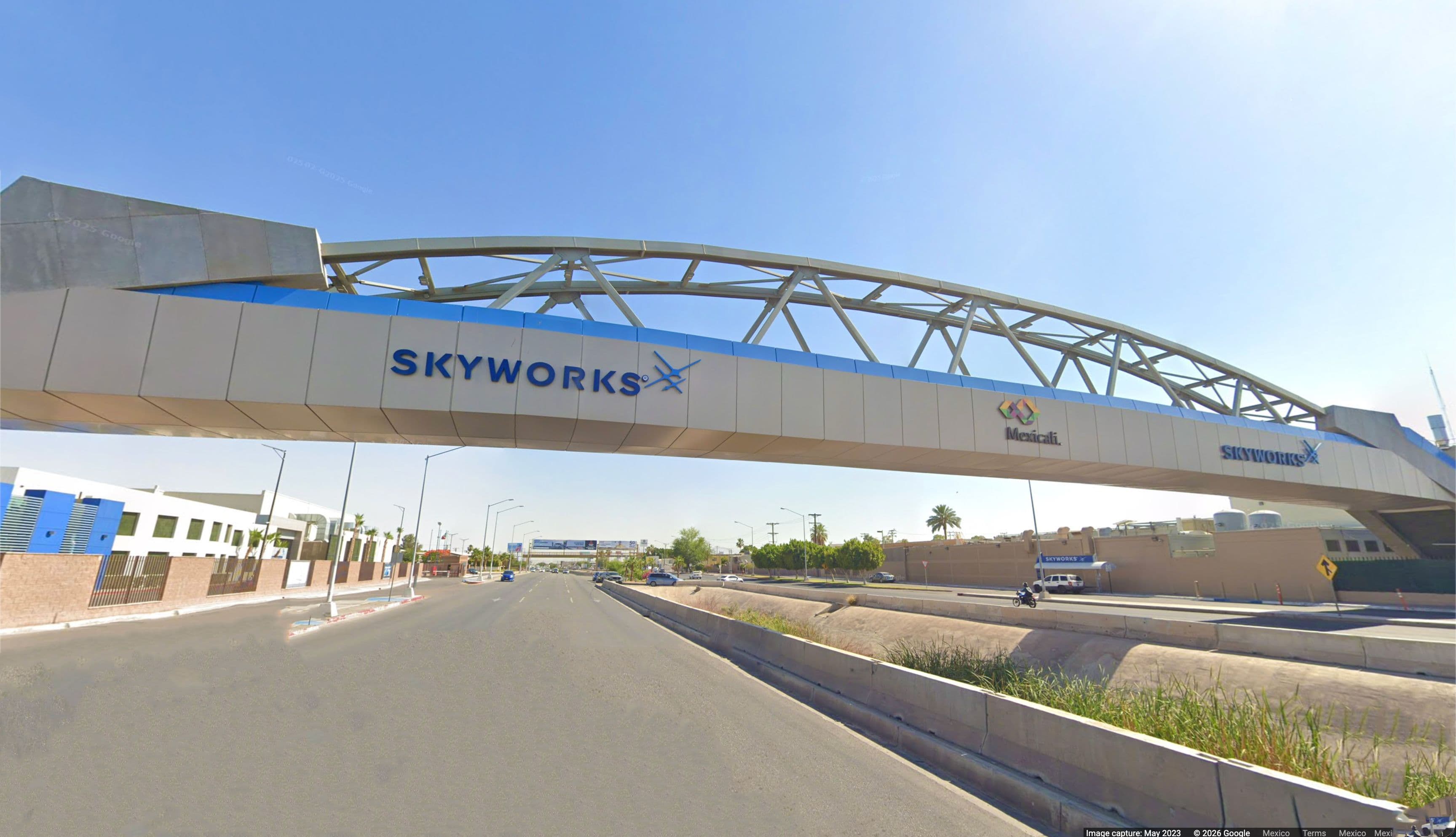
A 95 m column-free bridge to transport microchips
Skyworks needed to move microchips between two semiconductor plants separated by a boulevard and a federal CNA drainage channel. The chips are transported in units with temperature-controlled conditions — the connection had to be an enclosed bridge, with no intermediate columns, over an active roadway.
The bridge was poured in a single day, with two concrete pumps, with no construction joints — a single 95-meter piece. The foundation goes down to 18 meters deep in collapsible sandy soil, in a seismic zone. Permits involved three levels of government: CNA (federal), state government, and municipality. The roadway was closed only on a Sunday. Structure assembly took two consecutive Sundays, with two months of prior logistics coordination.
Aerospace
A 7.2-magnitude earthquake defined how one of the largest buildings in Mexicali was built
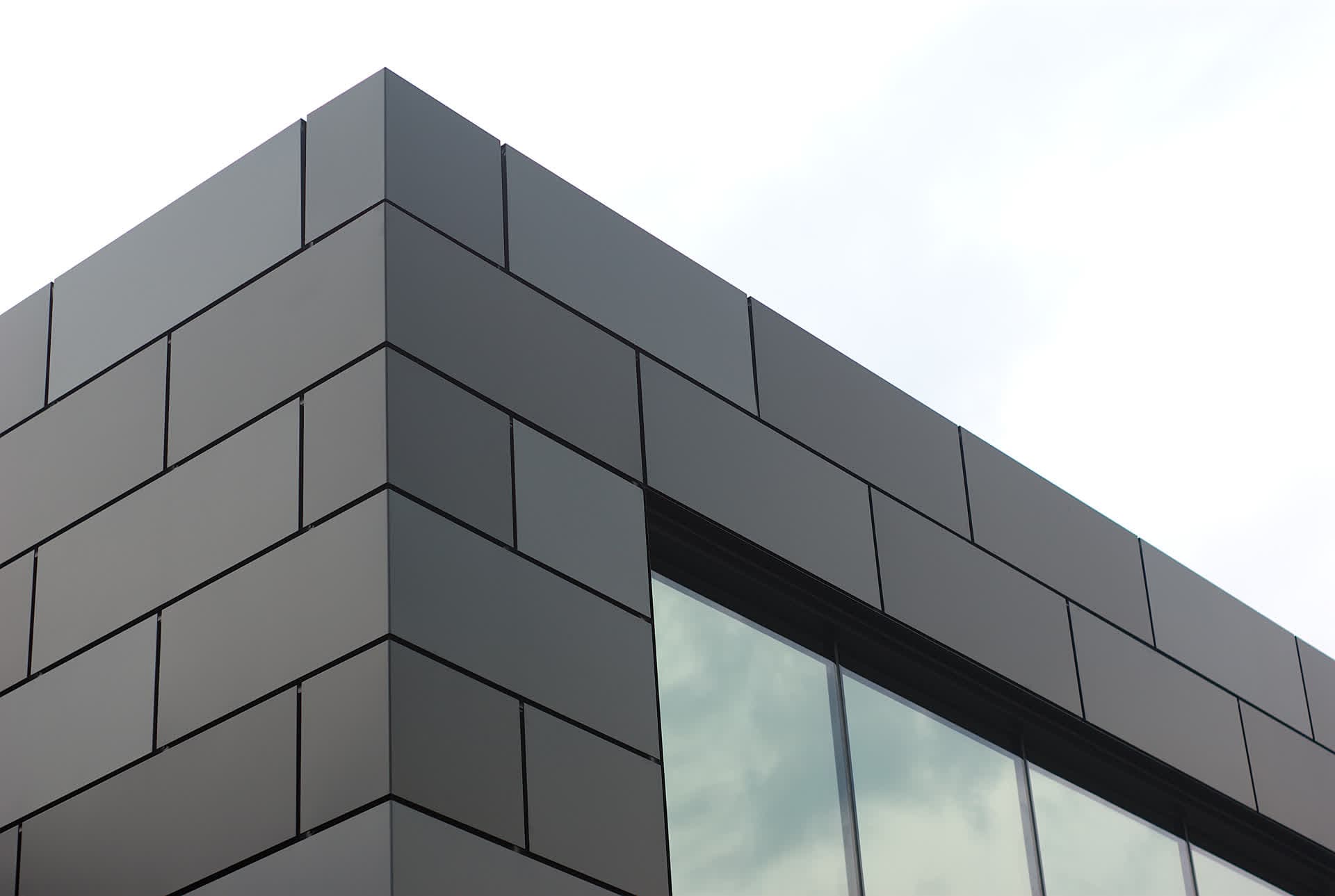
In 2010, a magnitude 7.2 earthquake damaged Gulfstream's existing plant in Mexicali and caused a two-week production shutdown. When Gulfstream decided to build its new 550K ft² facility, the requirement was clear: an earthquake must never stop the operation again.
Our construction company proposed BRB (Buckling-Restrained Braces) seismic systems — energy dissipators at strategic structural points. It was the first time our team implemented them. Technology used in Mexico City and Japan, applied for the first time at this scale in one of our In-House Construction projects. An initiative from our own team to optimize the project.
Today it stands as the most significant industrial facility in Mexicali, setting an unprecedented milestone with 13,500 m² of corporate offices.

Aerospace
A wind tunnel with $30,000 USD soundproof doors
Honeywell needed to simulate flight conditions — air speed and volume — for aerospace component testing. The requirement had no precedent in our In-House Construction projects.
The building stands 20 meters tall and houses a 3,000 HP blower powered by 4.16 KV high voltage. The 2.5 x 2.5 meter ducts are fabricated with welded structural plate — not sheet metal, because the air force would destroy it. The soundproof armored doors cost ~$30,000 USD per pair. The foundation and structure were calculated to withstand extreme vibrations from continuous operation.
The executive project was developed jointly between Honeywell engineers and our own in-house engineers. Construction took 8 months plus additional months of testing by Honeywell. Today the tunnel is operational and aerospace components are tested under simulated flight conditions.
Steel
50,000 m² where a single centimeter of error ruins millions in equipment
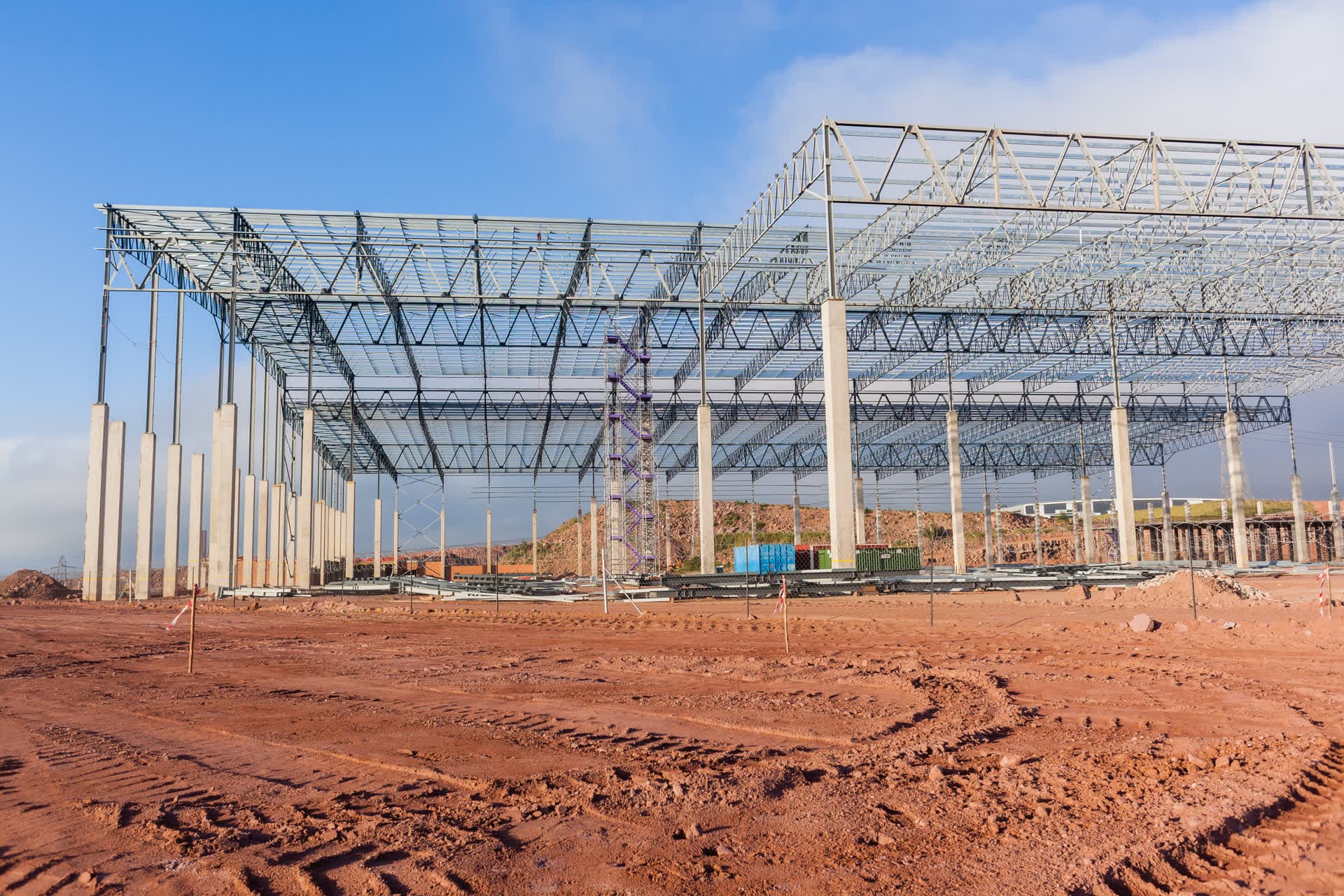
Deacero needed a steel recycling plant with large-scale industrial cranes. The challenge: hundreds of bases and embedded anchors with millimeter-level tolerance for mounting imported equipment. If the anchors don't fit exactly, the project fails.
5 hectares of yards (50,000 m²) with deep foundations at 15 meters using reinforced concrete piles. Precision topographic control at every anchor point. The completed work delivery had to match millimetrically with the equipment Deacero installed afterward — cranes, conveyor belts, and process lines.
Equipment installed. Plant operational.
Each of these projects started with a new problem. It was researched, designed, and built. What's yours?